
BRAIN HEALTH LAB

DR. MICHELLE CARLSON, PHD
Principal Investigator
Dr. Carlson is a Professor in the Department of Mental Health at the Johns Hopkins Bloomberg School of Public Health (SPH) in Baltimore, MD, core faculty member in the Center on Aging and Health at the Johns Hopkins Medical Institutions, and holds joint appointments in the Johns Hopkins SPH Department of Epidemiology and the School of Nursing’s Center on Innovative Care in Aging. Dr. Carlson seeks to buffer the aging brain and body through lifestyle. She examines the relationships between modifiable lifestyle and vascular risk factors and risk for age-related cognitive and functional declines and Alzheimer’s disease. Dr. Carlson lead investigations using both observational studies and randomized controlled trials, including the Women’s Health and Aging Study (WHAS) II Cognition Study, the Cardiovascular Health Study (CHS) now in its 30th year, the Ginkgo Evaluation of Memory (GEMS) trial. Leading the Baltimore Experience Corps Trial (BECT), she evaluated the impact of school-based volunteer service on older adults’ cognitive, functional, and brain health and now heads a 12-year follow-up study of its volunteer-related benefits in cognitive aging and healthcare utilization. Recently, her intervention work has expanded to reach the sedentary and physically restricted through a safe and immersive 3-D game promoting cognitive and physical activity in an underwater environment. Additionally, her lab is identifying how environments help and hinder physically, socially and cognitively enriching activity. This work will inform intervention design and social policy to delay dementia and disability, particularly in underserved populations at elevated risk for health disparities.
Meet the Team

Kyle Moored, PhD, MS
Assistant Research Professor, Department of Mental Health, Johns Hopkins Bloomberg School of Public Health & Center for Aging and Health Institute Affiliation
Dr. Moored is an Assistant Research Professor in the Department of Mental Health at Johns Hopkins Bloomberg School of Public Health (JHSPH). He completed his PhD in Mental Health at JHSPH and postdoctoral training in the epidemiology of aging at the University of Pittsburgh School of Public Health. He is an epidemiologist with research experience in neurocognitive aging, prevention science, and lifespan activity engagement. His research integrates survey, wearable device (e.g., GPS), and geospatial data sources to better understand how activity and the built and social environments contribute to lifespan mental health, including neurocognitive functioning and fatigue as we age. His goal is to use these findings to inform structural and individual-level interventions that promote brain health as we age in place. Dr. Moored is currently the Principal Investigator for the Baltimore Experience Corps Neighborhoods Pilot Study, funded by the Johns Hopkins CHARMED Center (P30-ES032756). This study examines how the neighborhood built and social environments contribute to cognitive, brain biomarker, and activity outcomes for participants in the Experience Corps intervention program.
Current Students

Kate Gordon
Kate Gordon is a PhD student in the Department of Mental Health doctoral program at the Johns Hopkins Bloomberg School of Public Health. She is a member of the Epidemiology and Biostatistics of Aging training program, with Dr. Michelle Carlson serving as her primary advisor. Kate’s research focuses on cognitive aging, with an emphasis on health disparities. She is interested in integrating evidence-based solutions into existing systems to reach vulnerable populations. Prior to Johns Hopkins, Kate worked for over 20 years in dementia and aging policy and program development and evaluation at the domestic and international levels. She received her bachelor's degree in Sociology from Roanoke College and a master's degree in Social Work from the University of South Carolina.

Marc Kaizi-Lutu
Marc Kaizi-Lutu is a PhD Candidate in the Department of Mental Health at the Johns Hopkins Bloomberg School of Public Health. He is a member of the T32 training grant on Age-Related Cognitive Disorders and is primarily advised by Dr. Adam Spira and secondarily advised by Dr. Michelle Carlson. Marc is interested in how modifiable lifestyle factors contribute to risk of cognitive decline and dementia. Specifically, he is interested in how sleep and circadian rhythms associate with brain health. Before coming to Hopkins, Marc received his bachelor’s degree in neuroscience from the University of Pennsylvania and worked in Dr. David Dinges’ and Dr. Mathias Basner’s Unit for Experimental Psychiatry where he aided in conducting research on the association between sleep deprivation and cognition.
BHS Lab Alumni & Team
Doctoral

Epidemiologist, FDA
Patrick Donahue, PhD
Patrick Donahue graduated in 2024 from the Department of Mental Health doctoral program at the Johns Hopkins Bloomberg School of Public Health. As a student, he was a member of the Epidemiology and Biostatistics of Aging training program, with Dr. Michelle Carlson serving as his primary advisor. Dr. Donahue's dissertation research examined how respiratory health, cardiovascular health, and physical activity relate to cognition and dementia risk in older adults. He is particularly interested in using objective measures of physical activity from wearable devices to understand how activity patterns may provide insight into dementia risk. Before attending Johns Hopkins, he received his bachelor's and master's degrees from the University of Pittsburgh, where he studied exercise physiology and worked in Dr. Kirk Erickson's Brain Aging and Cognitive Health Lab.

Operations Research Analyst, FDA
Breanna Crane, PhD
Breanna Crane is a graduate of the Department of Mental Health and a trainee in the Epidemiology and Biostatistics of Aging Training Program. She received her B.S. in Physics with a double minor in Psychology and Mathematics from the University of Alabama in Huntsville (UAH). Her key research interests involve cognitive aging and the role of modifiable risk factors (e.g., engagement in lifestyle activities, physical activity, air pollution) in potentially delaying or preventing age-related cognitive decline and Alzheimer’s disease. She is also interested in using geospatial data from wearable technology to explore the role of the built environment and its association with older adults’ cognitive and functional health.

Postdoctoral Research Fellow, UM
Brittany Drazich, PhD, RN, MSN
Brittany is a nurse and a nursing PhD student. As a home visiting nurse for cancer patients, Brittany was was disheartened by the number of older adults with untreated mental health needs. Through her doctoral research focus on positive psychology, Brittany is hoping to explore innovative solutions to improve the mental health of community-dwelling older adults. Her professional life goal is to decrease disparities for vulnerable populations. Brittany was selected as an inaugural Malone Center for Engineering in Healthcare and School of Nursing PhD Fellow, a Robert Wood Johnson Future of Nursing Scholar, and is gerontological nursing certified. Prior to her PhD, Brittany received her Masters in Public Health Nursing from Johns Hopkins University and her Honors BSN at the University of Delaware.

Associate Research Scientist
Ryan Andrews, PhD
Dr. Andrews' interests lie at the intersection of neuroepidemiology and causal inference methodology. In particular, he is interested in studying how vascular factors contribute to healthy and unhealthy brain aging in observational cohort studies of older adults. He earned a PhD in Mental Health from Johns Hopkins University as well as a MHS degree in Biostatistics. He is currently an Associate Research Scientist in the Department of Epidemiology at the Columbia University Mailman School of Public Health.

Deputy Staff Director, U.S. Senate
Sarah Khasawinah, PhD
Sarah Khasawinah earned her Doctoral and Masters of Health Science degrees in Mental Health and Biostatistics, respectively from the Johns Hopkins Bloomberg School of Public Health in December 2014. In her doctoral dissertation, “Brain Networks and Neurocognitive Health in Older Adults: The Baltimore Experience Corps Brain Health Study,” she found that Experience Corps, a model of senior volunteer service, improves certain dementia-linked cognitive functions and brain networks in older adults. Dr. Khasawinah’s research illustrates the potential of high impact community engagement to promote neurocognitive health and prevent cognitive decline. Sarah is currently a Health Policy Fellow in Washington DC.

Postdoctoral IRTA Fellow at Laboratory of Behavioral Neuroscience, National Institute of Aging
Vijay Varma, PhD
Dr. Varma is a post-doctoral fellow at the National Institute of Aging. He received his PhD at Johns Hopkins Department of Mental Health with Dr. Carlson, and has worked with the entire study team on all aspects of the BECT and BHS including recruitment, evaluations, and data analysis. He is interested in exploring the relationship between physical activity and cognitive decline, and using novel devices (e.g. accelerometers, GPS, and Smartphones) to capture physical activity within urban environments. Vijay has extensive experience piloting and testing physical activity devices in community-dwelling older adults. Vjay received his Bachelor's degree in English and African American Studies from Duke University in 2005, and Master of Public Health degree from the Johns Hopkins Bloomberg School of Public Health in 2010.

Director, International Health Program, National Yang Ming Chiao Tung University
Yi-Fand Chuang, MD, PhD
Yi-Fang received her MD from the National Taiwanese University and completed her residency in Psychiatry. She received her PhD in the Mental Health Department of the Johns Hopkins School of Public Health in September 2012. Her work with the Brain Health Study has focused primarily on the imaging analysis related to the MRI data obtained over the participants' annual visits. Yi-Fang has contributed greatly to our understanding of the existing relationships between changes in the brain, and presenting physical functioning, activity, and cognitive outcomes. She is currently serving as the Director at the International Health Program.

Professor Rollins School of Public Health Emory University
Regina Shih, PhD
Regina Shih conducts research in three areas: aging policy, environmental health, and behavioral health. She is currently leading an NIMHD R01 to test the effectiveness of a long-term services and supports program to improve access to home- and community-based services for dual-eligible beneficiaries, and its effects on health disparities. She is also co-leading a CDC project to help improve public health systems’ ability to increase resilience and emergency preparedness among older adults. Her behavioral health work focuses on understanding peer, family, school, and neighborhood contributors to disparities in adolescent substance use. Her environmental health and aging work has intersected with an NIA R01 to develop a national database of neighborhood environment indicators and to examine whether demographic, social, economic, and physical characteristics of neighborhoods influence cognitive aging and dementia risk. Dr. Shih has led a variety of other environmental health projects for both domestic and international clients including a National Institute of Occupational Safety and Health-funded community-based participatory research study to examine dispersion of chemicals following Hurricane Sandy and the resulting chemical exposures and health effects experienced by individuals.
Post Doctoral
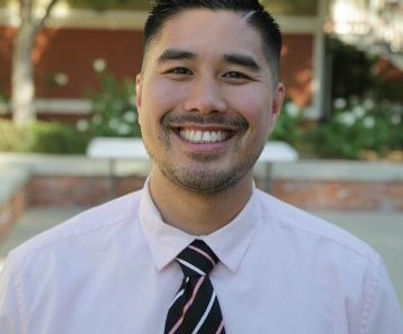
Assistant Professor at California State University, Northridge
Thomas Chan, PhD
Dr. Thomas Chan received his PhD in Positive Developmental Psychology at Claremont Graduate University and is currently an Epidemiology & Biostatistics of Aging Post-Doctoral Fellow at the Johns Hopkins Bloomberg School of Public Health.Thomas is a developmental psychologist who investigates the factors that lead people to live happy, healthy, and fulfilling lives. Concurrently as a positive psychologist, he scientifically inquiries what goes right with life (e.g., human strengths, resiliency, and growth), alongside with, what goes wrong (e.g., psychopathologies, deficits, and traumas). Specifically, he examines the activities, supports, and interventions that promote psychosocial development and cognitive health. He uses a mixed methods approach (e.g., interviews, latent class analyses, observations) to evaluate—“For whom do these activities, supports, and interventions work for and under what conditions do they work?” He has worked with policymakers, municipal programs, work organizations, social entrepreneurs, and technology startups to provide a greater understanding to this overarching research question.

Senior Research Associate, University of Illinois Urbana Champaign
Dana Eldreth, PhD
Dr. Eldreth has contributed to understanding the contribution of executive cognitive function and emotional regulation in psychopathology across the lifespan, and as predictors and mediators of treatment outcomes to behavioral interventions. She has employed various imaging techniques (fMRI, MRI and O-15 H2O PET) to examine the underlying neurobiological substrates of these functions, as well as neuroplasticity in response to behavioral interventions. During her postdoc with Dr. Carlson, she worked on fMRI data analyses in the Brain Health Substudy nested within the larger Baltimore Experience Corps Trial. Dr. Eldreth has also been an entrepreneur in her family’s pottery business, creating art and negotiating international sales. While this was a great opportunity, she realized that she wanted to pursue her research interests again to make a public health impact.
Research Coordinators & Assistants

Research Program Coordinator
Emily Willis
Emily served a Research Program Coordinator in Dr. Michelle Carlson’s Lab, where she coordinated the BECT, OCEANS, WAVES, and CHS studies. She holds a BA in Psychology from Stetson University, where she researched video games and aggression. Emily has a background in Quality Analytics and Program Management. Her daily responsibilities included recruiting participants, managing clinical research activities, and overseeing data collection and analysis. Emily’s research interests center on exploring technology-based interventions to support healthy brain aging.

Research Program Coordinator
Emily Richards
Emily Richards served as a Research Program Coordinator in Dr. Michelle Carlson’s Lab. She was involved in the coordination of the BECT, OCEANS, WAVES, and CHS studies from recruitment to data management and analysis. Emily has a background in neuroimaging and neuropsychology. Her research interests include implementing lifestyle interventions to promote healthy brain aging and prevent cognitive decline.

2025 Graduate
Sayuri Ohgi, MHS
Sayuri served as a research assistant in Dr. Carlson’s lab, where they contributed to advancing the understanding of brain health. Sayuri has a Master of Health Sciences degree and has a strong background in public health, with a focus on social determinants of health and health equity. She is interested in looking at the interactions between brain health and broader social and environmental factors.

Research Coordinator at Baylor College of Medicine
Katherine Hernandez
Katherine graduated from Johns Hopkins University with a Bachelor of Arts in Psychology. While an undergraduate student, she worked at our lab as a research assistant focused on recruiting and following up with participants for the OCEANS, WAVES, and Experience Corps studies. She is passionate about increasing diversity in psychological research. Katherine currently works as a Research Coordinator at Baylor College of Medicine in the Epidemiology and Population Sciences department.

2022 Graduate
Michelle Low
Michelle Low is a 2022 Johns Hopkins University graduate studying Neuroscience and Psychology. Michelle joined the Carlson Lab to pursue her longstanding interests in healthcare and educational equity through research as well as her existing community work. Her key research interests include behavioral interventions to mitigate risk factors for cognitive decline, as well as interventions to improve learning in low income schools.

Clinical Research Coordinator at Thomas Jefferson University
Prasanna Varadhan, BS
Prasanna graduated from Drexel University, studying psychology and neuroscience. She is interested in understanding the cognitive deterioration that comes with aging, and how to improve the health and quality of life for older individuals. Consequently, she would like to pursue a career in geriatric psychology and is currently a Clinical Research Coordinator at Thomas Jefferson University.

2024 Graduate
Sophia Gana
Sophia earned her bachelor's degree in Cognitive Science from Johns Hopkins University. During her undergraduate years, she worked as a research assistant for the Brain Health Study, where she contributed to participant recruitment and intervention implementation. She is now looking to pursue a career in nursing to combine hands-on patient care experience with her passion for advancing public health and cognitive science research

Grants Coordinator
Juan Luis Miranda Jr., MS
Juan completed his Master’s in Health Sciences student in the Department of Mental Health. He received his Bachelors of Science degree in Public Health from the University of California, Irvine. He has worked in laboratories researching questions using a mouse model of Multiple Sclerosis and in investigations regarding DNA re-replication in yeast cells. Juan’s current research interests are in cognitive health, aging, and sleep.
COLLABORATORS
Optimizing Cognitive, Environmental, and Neuromotor Stimulation in Traumatic Brain Injury (OCEANS-TBI)


John Krakauer, MD
John C. Malone Professor of Neurology, Neuroscience, and Physical Medicine & Rehabilitation
Johns Hopkins School of Medicine
Matthew Peters, MD
Associate Professor of Psychiatry and Behavioral Sciences
Johns Hopkins School of Medicine
Arnold Bakker, PhD
Associate Professor of Psychiatry and Behavioral Sciences
Johns Hopkins School of Medicine
Durga Roy, MD
Associate Professor of Psychiatry and Behavioral Sciences
Johns Hopkins School of Medicine
Omar Ahmad, PhD
CEO, NeuroAnimation
Johns Hopkins School of Medicine
Promit Roy, PhD
Lead Game Engine, Infrastructure, and Multi-Platform Developer NeuroAinimation
Chief Technology Officer, NeuroAnimation
Jarreau Wimberly
Illustrator and Designer
NeuroAnimation Lead Artist and Animator
Kylie Alm, PhD
Research Associate, Division of Psychiatric Neuroimaging
Department of Psychiatry and Behavioral Sciences
Cardiovascular Health Study: Neighborhoods, Cognitive Aging, and Modifiable Risk Factors
Frank Curriero, PhD
Professor, Epidemiology
Johns Hopkins Bloomberg School of Public Health
Timothy Shields, MA
Senior Scientist, Epidemiology
Johns Hopkins Bloomberg School of Public Health
Michael Desjardins, PhD
Assistant Research Professor
Johns Hopkins Bloomberg School of Public Health
Gina Lovasi, PhD, MPH
Dornsife Associate Professor of Urban Health
Co-Director, Urban Health Collaborative
Drexel University
Andrea L. Rosso, PhD
Associate Professor, Epidemiology
University of Pittsburgh Graduate School of Public Health
Mary Lou Biggs, PhD
Project Director and Epidemiologist
University of Washington
Experience Corps Trial: Improving Health of Older Populations through Generativity
Linda P. Fried, MD MPH
Dean, Mailman School of Public Health; Senior Vice President
Columbia University Medical Center
George Rebok, PhD
Professor Emeritus, Department of Mental Health
Johns Hopkins Bloomberg School of Public Health
Qian-Li Xue, PhD
Associate Professor, Department of Medicine, Biostatistics & Epidemiology
Johns Hopkins School of Medicine
Johns Hopkins Bloomberg School of Public Health
Tara Gruenewald, PhD
Associate Professor, Chair, Department of Psychology
Crean College of Health and Behavioral Sciences; Psychology
Alden Gross, PhD
Associate Professor, Department of Epidemiology
Johns Hopkins Bloomberg School of Public Health
Jeanine Parisi, PhD
Vice Dean for Education Teaching Professor, Department of Mental Health
Johns Hopkins Bloomberg School of Public Health
K. Devina Frick, PhD
Professor and Vice Dean for Education
Johns Hopkins Carey Business School
Eric Slade, PhD
Professor, School of Nursing & Health Policy and Management
Johns Hopkins School of Nursing
Vishal Sekhon, MPH, MS
Senior Biostatistician
John Hopkins Center on Aging and Health
Halima Amjad, MD, MPH, PhD
Associate Professor of Medicine
Johns Hopkins University School of Medicine
Trang Nguyễn, PhD
Associate Research Professor
Johns Hopkins Bloomberg School of Public Health
Tony Pereira, MS
Senior Software Engineer
John Hopkins Center on Aging and Health
Alison Huang, PhD
Senior Research Associate, Department of Epidemiology
Johns Hopkins Bloomberg School of Public Health